
Whether it's a treasured family heirloom, a luxury timepiece, or your favorite everyday watch, regular maintenance is the key to keeping it running accurately and looking its best. Many people assume that if a watch is still ticking, everything inside must be fine. A watch can continue to run while slowly wearing itself out.
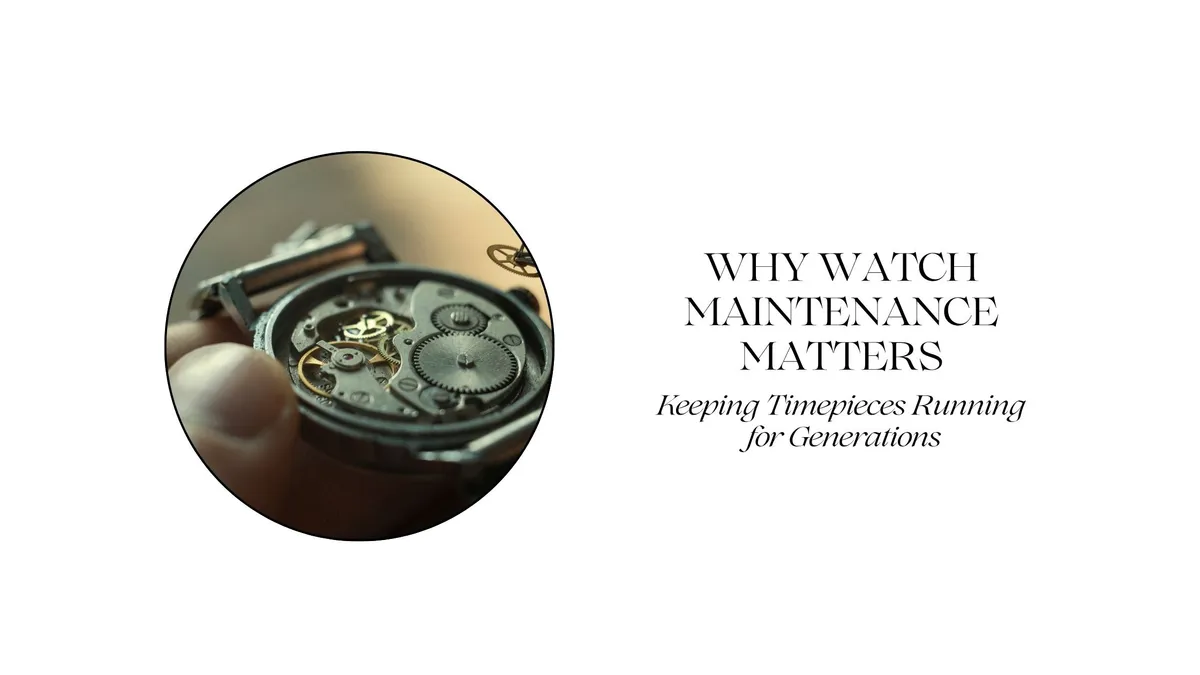
A mechanical watch is a remarkable piece of engineering. Inside the case are dozens, sometimes hundreds, of tiny gears, springs, pivots, and jewels working together with incredible precision. These components move continuously, often making thousands of tiny movements every hour.
To prevent these delicate parts from wearing against one another, watchmakers apply specialized lubricating oils during assembly. These oils reduce friction, improve accuracy, and help protect the movement from unnecessary wear.
Over time, the lubricants inside a watch begin to change. They can dry out, thicken, or migrate away from the surfaces they were meant to protect. Tiny particles from normal wear can also accumulate inside the movement.
When this happens, several problems can develop:
A complete watch service is much more than simply adding oil. A qualified watchmaker will typically:
Most modern mechanical watches should be professionally serviced every five to ten years, depending on the manufacturer's recommendations, how often the watch is worn, and the conditions in which it is used.
Signs that a watch may need service include:
Quartz watches require less maintenance because they have far fewer moving parts. However, they still benefit from periodic care.
Routine maintenance for a quartz watch may include:
Whether your watch cost $100 or $10,000, proper maintenance protects both its value and its reliability. Regular servicing not only keeps your watch accurate but also preserves the craftsmanship that makes it special.
A well-maintained mechanical watch can last for generations. Many vintage watches that are over 50 or even 100 years old continue to keep excellent time because they received routine professional care throughout their lives.
A quality watch is more than a way to tell time, it's an investment, a piece of engineering, and often a personal keepsake. Regular cleaning, lubrication, and inspection ensure that your watch continues to perform as beautifully as the day it was made.
If your watch hasn't been serviced in several years, now may be the perfect time to have it professionally inspected. Preventive maintenance is almost always less expensive than repairing damage caused by worn or dried-out lubrication, and it helps ensure your timepiece can be enjoyed for many years to come.
A mechanical watch is a remarkable piece of engineering. Inside the case are dozens, sometimes hundreds, of tiny gears, springs, pivots, and jewels working together with incredible precision. These components move continuously, often making thousands of tiny movements every hour.
To prevent these delicate parts from wearing against one another, watchmakers apply specialized lubricating oils during assembly. These oils reduce friction, improve accuracy, and help protect the movement from unnecessary wear.
Over time, the lubricants inside a watch begin to change. They can dry out, thicken, or migrate away from the surfaces they were meant to protect. Tiny particles from normal wear can also accumulate inside the movement.
When this happens, several problems can develop:
- Reduced accuracy
- Shorter power reserve
- Increased friction between moving parts
- Premature wear of gears and pivots
- Higher repair costs if damage occurs
A complete watch service is much more than simply adding oil. A qualified watchmaker will typically:
- Completely disassemble the movement.
- Clean every component using specialized cleaning solutions.
- Inspect each part for wear or damage.
- Replace worn components if necessary.
- Apply fresh lubricants to specific contact points.
- Reassemble the movement.
- Adjust and regulate the timing.
- Test performance and power reserve.
- Replace gaskets and check water resistance when appropriate.
Most modern mechanical watches should be professionally serviced every five to ten years, depending on the manufacturer's recommendations, how often the watch is worn, and the conditions in which it is used.
Signs that a watch may need service include:
- Losing or gaining significant time
- Stopping unexpectedly
- Reduced power reserve
- Difficulty winding
- Moisture appearing inside the crystal
Quartz watches require less maintenance because they have far fewer moving parts. However, they still benefit from periodic care.
Routine maintenance for a quartz watch may include:
- Battery replacement
- Gasket replacement to maintain water resistance
- Cleaning the case and bracelet
- Inspection of the movement for signs of corrosion or wear
Whether your watch cost $100 or $10,000, proper maintenance protects both its value and its reliability. Regular servicing not only keeps your watch accurate but also preserves the craftsmanship that makes it special.
A well-maintained mechanical watch can last for generations. Many vintage watches that are over 50 or even 100 years old continue to keep excellent time because they received routine professional care throughout their lives.
A quality watch is more than a way to tell time, it's an investment, a piece of engineering, and often a personal keepsake. Regular cleaning, lubrication, and inspection ensure that your watch continues to perform as beautifully as the day it was made.
If your watch hasn't been serviced in several years, now may be the perfect time to have it professionally inspected. Preventive maintenance is almost always less expensive than repairing damage caused by worn or dried-out lubrication, and it helps ensure your timepiece can be enjoyed for many years to come.