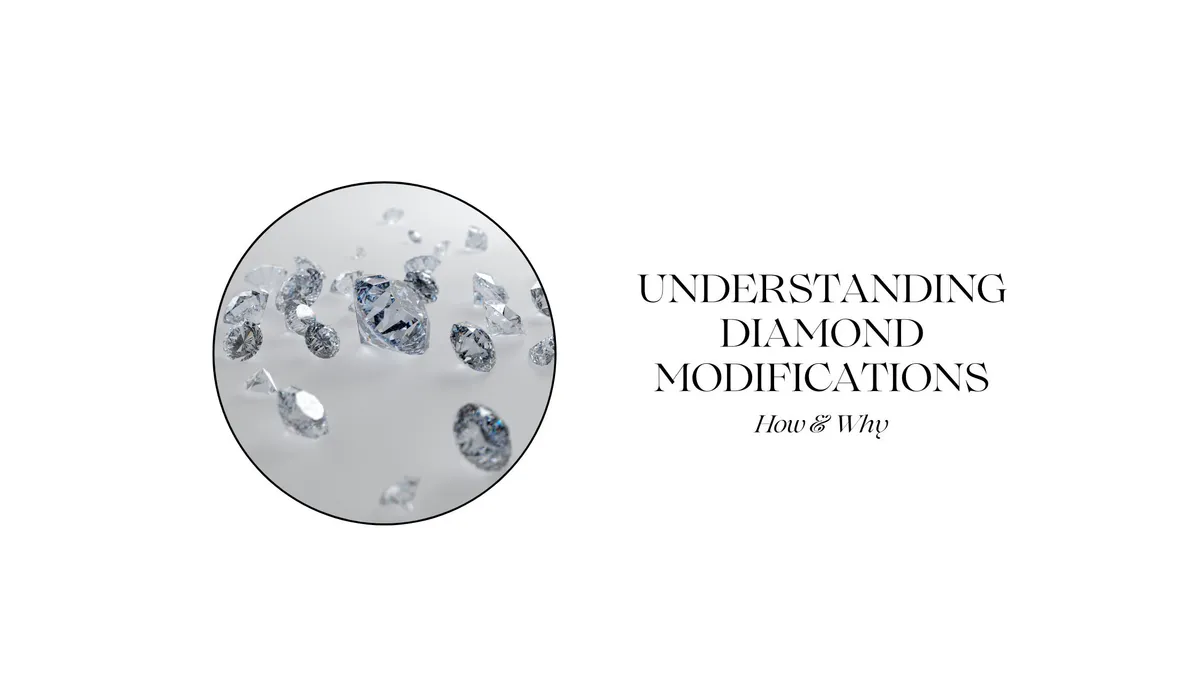
Diamonds are prized for their brilliance, clarity, and color—but not every diamond comes out of the earth looking perfect. That’s where modern enhancement techniques come in. Through a variety of treatments, jewelers can improve a diamond’s appearance, making it more visually appealing and accessible to buyers. Let’s explore the most common types of diamond modifications and what they do.
1. Color Treatments
Color is one of the most important factors in a diamond’s beauty and value. Some diamonds naturally have less desirable hues, such as brown or yellow tones, which can be improved through treatment.
One of the most advanced methods is High Pressure High Temperature (HPHT) treatment. This process replicates the intense conditions under which diamonds form deep within the Earth. By subjecting a diamond to extreme heat and pressure, its color can be altered—often turning a brownish stone into a colorless one, or even creating vibrant shades like yellow or blue. The results are permanent and widely accepted in the industry.
Another method is irradiation followed by annealing. In this process, the diamond is exposed to controlled radiation and then heated. This alters the crystal structure, producing striking colors such as green, blue, or pink. Despite sounding intense, the process is completely safe—the diamond does not retain any radiation after treatment.
A simpler but less durable option is surface coating, where a thin colored layer is applied to the diamond. This can enhance or completely change the stone’s appearance. However, because the coating sits on the surface, it can wear off over time, especially with regular use.
2. Clarity Enhancements
Clarity refers to how free a diamond is from internal flaws, known as inclusions. Many diamonds contain natural imperfections, but certain treatments can make them less visible.
Laser drilling is one such technique. It involves creating tiny, nearly invisible channels into the diamond to reach dark inclusions. These inclusions are then removed or lightened, improving the stone’s overall clarity. While effective, the process does leave microscopic tunnels within the diamond.
Another common method is fracture filling. In this treatment, cracks or fractures inside the diamond are filled with a transparent, glass-like substance. This reduces the visibility of flaws and enhances the diamond’s brilliance. However, the filling is not permanent and can be damaged by heat or harsh chemicals, making proper care essential.
3. Cutting and Polishing Adjustment
Sometimes, the issue with a diamond isn’t its internal quality but how it interacts with light. Cutting and polishing adjustments can dramatically improve a diamond’s sparkle.
Re-cutting involves reshaping the diamond to improve its proportions, symmetry, and ability to reflect light. While this can slightly reduce the diamond’s weight (carat), it often results in a much more brilliant and valuable stone.
Polishing, on the other hand, focuses on the surface. By smoothing out minor imperfections, polishing enhances the diamond’s shine and gives it a cleaner, more refined appearance.
4. Other Treatments
In addition to the main categories, there are a few other techniques used to enhance diamonds.
Annealing, or heat treatment alone, can subtly improve a diamond’s color or relieve internal stress within the stone. It is often used in combination with other treatments but can also be applied independently.
There are also temporary methods known as clarity concealment techniques, which involve using oils or resins to mask imperfections. These are not permanent solutions and are less commonly used in fine jewelry due to their limited durability.
Final Thoughts
Diamond modifications play a significant role in the modern jewelry industry. They allow more diamonds to reach the market in beautiful, wearable forms while offering a wider range of price points for buyers. However, not all treatments are equal—some are permanent and stable, while others require special care.
Understanding these enhancements helps you make informed decisions, whether you’re buying a diamond or simply appreciating the science behind its sparkle.
1. Color Treatments
Color is one of the most important factors in a diamond’s beauty and value. Some diamonds naturally have less desirable hues, such as brown or yellow tones, which can be improved through treatment.
One of the most advanced methods is High Pressure High Temperature (HPHT) treatment. This process replicates the intense conditions under which diamonds form deep within the Earth. By subjecting a diamond to extreme heat and pressure, its color can be altered—often turning a brownish stone into a colorless one, or even creating vibrant shades like yellow or blue. The results are permanent and widely accepted in the industry.
Another method is irradiation followed by annealing. In this process, the diamond is exposed to controlled radiation and then heated. This alters the crystal structure, producing striking colors such as green, blue, or pink. Despite sounding intense, the process is completely safe—the diamond does not retain any radiation after treatment.
A simpler but less durable option is surface coating, where a thin colored layer is applied to the diamond. This can enhance or completely change the stone’s appearance. However, because the coating sits on the surface, it can wear off over time, especially with regular use.
2. Clarity Enhancements
Clarity refers to how free a diamond is from internal flaws, known as inclusions. Many diamonds contain natural imperfections, but certain treatments can make them less visible.
Laser drilling is one such technique. It involves creating tiny, nearly invisible channels into the diamond to reach dark inclusions. These inclusions are then removed or lightened, improving the stone’s overall clarity. While effective, the process does leave microscopic tunnels within the diamond.
Another common method is fracture filling. In this treatment, cracks or fractures inside the diamond are filled with a transparent, glass-like substance. This reduces the visibility of flaws and enhances the diamond’s brilliance. However, the filling is not permanent and can be damaged by heat or harsh chemicals, making proper care essential.
3. Cutting and Polishing Adjustment
Sometimes, the issue with a diamond isn’t its internal quality but how it interacts with light. Cutting and polishing adjustments can dramatically improve a diamond’s sparkle.
Re-cutting involves reshaping the diamond to improve its proportions, symmetry, and ability to reflect light. While this can slightly reduce the diamond’s weight (carat), it often results in a much more brilliant and valuable stone.
Polishing, on the other hand, focuses on the surface. By smoothing out minor imperfections, polishing enhances the diamond’s shine and gives it a cleaner, more refined appearance.
4. Other Treatments
In addition to the main categories, there are a few other techniques used to enhance diamonds.
Annealing, or heat treatment alone, can subtly improve a diamond’s color or relieve internal stress within the stone. It is often used in combination with other treatments but can also be applied independently.
There are also temporary methods known as clarity concealment techniques, which involve using oils or resins to mask imperfections. These are not permanent solutions and are less commonly used in fine jewelry due to their limited durability.
Final Thoughts
Diamond modifications play a significant role in the modern jewelry industry. They allow more diamonds to reach the market in beautiful, wearable forms while offering a wider range of price points for buyers. However, not all treatments are equal—some are permanent and stable, while others require special care.
Understanding these enhancements helps you make informed decisions, whether you’re buying a diamond or simply appreciating the science behind its sparkle.